Build valuable career skills while earning money on campus. Explore 7 student jobs that teach communication, time management, and professional experience.
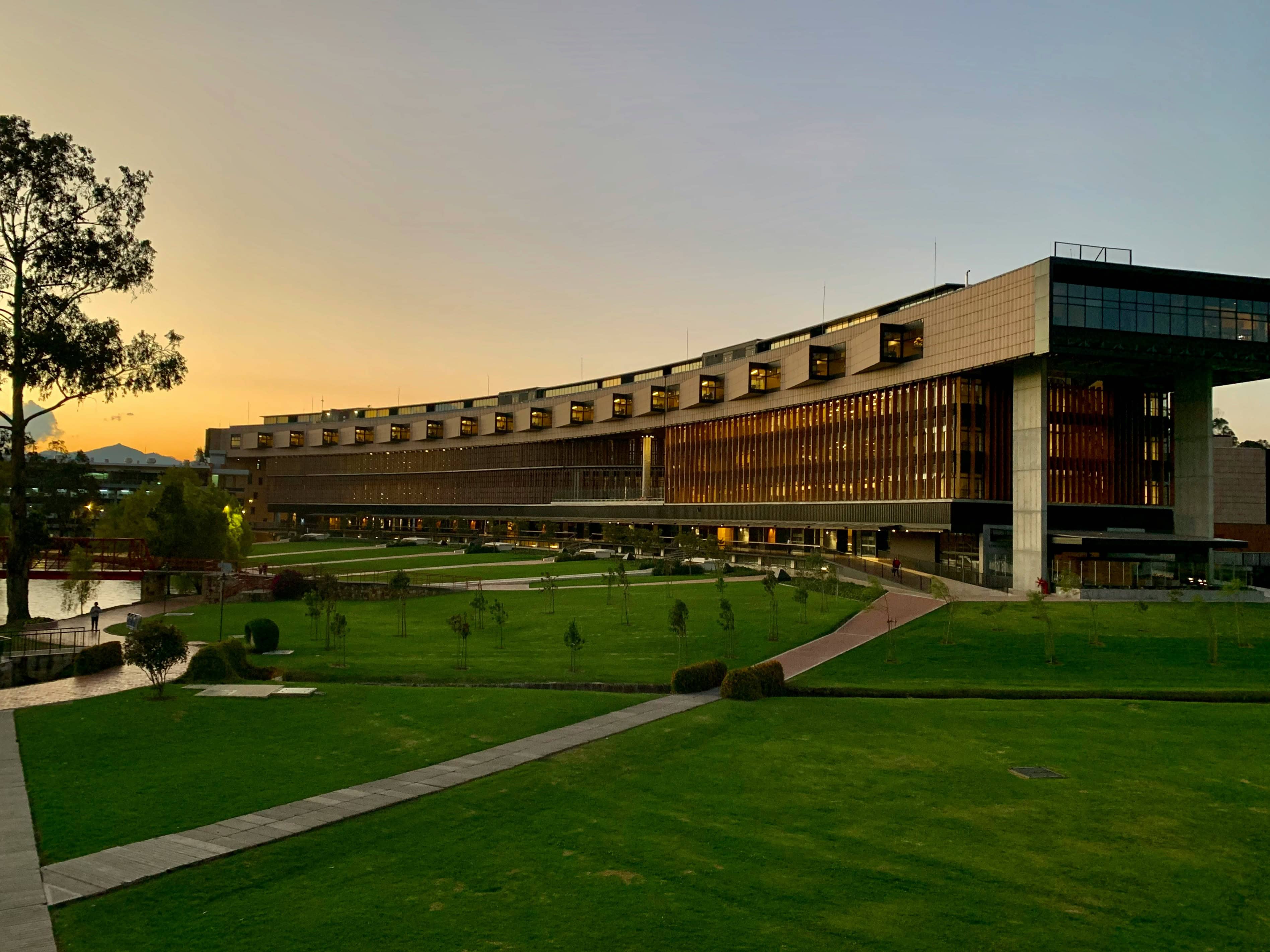
On-campus jobs aren’t just for extra money. They’re real professional experiences designed to give students an edge in communication, time management, and decision-making while working within the rhythms of college life. Students who work on campus not only build discipline they gain a head start on the job market.
Unlike off-campus gigs, on-campus jobs are designed with student schedules in mind. Flexible hours, built-in mentorship, and access to staff networks make them ideal launching points for both academic and career success. The jobs listed below do more than pay they teach.
Working in the campus library teaches more than just shelving books. It requires discipline, self-direction, and precision. Library assistants manage checkouts, help students locate resources, and ensure the space remains functional and welcoming. These roles typically have minimal supervision, which means learning to work efficiently and independently becomes essential. During quiet hours, assistants may also be responsible for small administrative tasks or troubleshooting basic tech issues at help desks.
Skills Gained:
Peer tutoring offers a dual benefit: reinforcing personal understanding while guiding others through difficult material. Tutors often assist students who are struggling, need clarification, or want to push their understanding further. Explaining complex topics in simple, relatable terms is a high-value skill and doing it repeatedly sharpens both communication and content mastery. Tutors must prepare, listen actively, and adapt their approach based on each student’s needs.
These positions put students in the heart of campus operations. Front desk workers are often the first point of contact for visitors, staff, or other students. The role involves greeting guests, enforcing rules, managing sign-ins, answering phones, and solving small but recurring issues. These tasks may sound routine but handling them well requires professionalism, quick decision-making, and clear communication under pressure.
For students with a tech background or simply an eagerness to learn IT support roles provide hands-on experience troubleshooting hardware, software, and network problems. These positions usually involve working alongside full-time technicians and fielding requests from students or faculty. Patience and clarity are crucial, especially when guiding non-technical users through solutions. The learning curve can be steep, but the long-term skill development is significant.
Research roles are some of the most academically enriching on-campus jobs. Students get the chance to work alongside professors and graduate students on meaningful projects whether in the sciences, humanities, or social sciences. Responsibilities range from literature reviews and data entry to lab experiments and drafting reports. The experience mimics what graduate-level work will be like and provides a strong foundation for any academic or research-oriented path.
Tour guides represent the college to incoming students and their families, often shaping first impressions. This role requires enthusiasm, clarity, and the ability to tell compelling stories about the student experience. It also builds stamina, improvisation, and interpersonal skills since no two tours or audiences are the same. For students who enjoy performing or leading, it’s one of the most public-facing and rewarding roles on campus.
This job is physically active and operationally essential. Student crew members help with setting up chairs, stages, tech equipment, signage, or safety barriers. They often work behind the scenes at concerts, orientation events, and academic functions. It’s hands-on, sometimes high-pressure work that demands stamina, awareness, and teamwork but students walk away with a deep understanding of what it takes to pull off large-scale operations smoothly.
To succeed in on-campus jobs, students must treat them like real-world commitments. That means showing up on time, completing tasks well, and communicating clearly with supervisors. Most jobs offer consistent hours and structure, but they still require initiative.
Time management is key. Students should plan weekly schedules in advance, anticipate exam weeks, and communicate early about any conflicts. Most on-campus supervisors are flexible but only when students act responsibly.
Pro tip: Track achievements from your job. Did you organize a major event? Improve office workflow? Help dozens of students? These talking points matter in internships and interviews.
Too often, students underestimate on-campus jobs, assuming they’re low-stakes because they’re within the college bubble. That mindset is a mistake. On-campus jobs may be student-friendly, but they are still professional roles with real expectations and real consequences when mismanaged.
Treating an on-campus job casually can damage your reputation with faculty, staff, and peers. These roles often come with flexibility and trust, but that doesn’t mean slacking is acceptable. Avoid the following pitfalls:
The fastest way to lose an on-campus job is by treating it like background noise instead of a professional opportunity. Employers on or off campus value consistency, communication, and effort. Students who approach on-campus jobs seriously build stronger references, better habits, and more meaningful experience for their future careers.e campus role often leads to glowing references and doors opening fast.
On-campus jobs offer more than just a paycheck they’re powerful learning platforms that develop real-world skills fast. These roles build communication, time management, adaptability, and leadership all in a student-centered environment. Unlike off-campus roles, on-campus jobs are tailored to academic schedules and often include direct access to staff, faculty, and valuable campus networks.
Students who commit to their on-campus jobs don’t just show up they grow up. They build habits that translate into stronger résumés, clearer career goals, and a more confident presence in interviews and internships.
Whether in tech support, tutoring, admin work, or event logistics, on-campus jobs allow students to test their strengths and stretch their comfort zones. The next opportunity to sharpen your skills, connect with mentors, and build a stronger future could be just steps away right on your own campus.
If you’re ready to learn, work, and grow all in one place, you can get started with your admission application here . Start your journey towards a successful and fulfilling global career today!
Master 7 proven personal study tips that help students succeed academically. Learn active recall, spaced repetition, and smart strategies to retain more.


Master 7 proven personal study tips that help students succeed academically. Learn active recall, spaced repetition, and smart strategies to retain more.
Learn how to manage exam stress with proven coping techniques and healthy study habits. Discover signs of burnout and build routines that help you stay focused.


Learn how to manage exam stress with proven coping techniques and healthy study habits. Discover signs of burnout and build routines that help you stay focused.
Learn why your brain needs study breaks to maintain focus and retention. Science-backed timing methods help students avoid burnout and study more effectively.

Learn why your brain needs study breaks to maintain focus and retention. Science-backed timing methods help students avoid burnout and study more effectively.
