A 3D modeler crafts detailed digital objects and characters building virtual assets for games films and design.

Career Overview
A quick snapshot of demand, education, field, and salary expectations.
Salary by experience
Indicative earning bands as your experience grows.
Entry-level
0-3 years experience
$51,000 - $63,750
Mid-career
4-10 years experience
$85,000+ - $119,000
Senior
10+ years experience
$119,000+
A 3D Modeler is a skilled professional who creates three-dimensional digital models that serve as the foundation for animations, games, simulations, and visualisations. Using advanced software tools, 3D Modelers design and build detailed representations of characters, environments, products, and architectural structures. Their work is essential in industries such as film, video games, advertising, architecture, and product design, where realistic and accurate 3D models are crucial.
3D Modelers work in a variety of settings, including animation studios, game development companies, architectural firms, and product design agencies. They collaborate with other creative and technical professionals, such as animators, game designers, architects, and engineers, to create models that are both visually appealing and functional. The role requires a blend of artistic talent, technical skills, and attention to detail to produce high-quality models that meet the project’s requirements.
The demand for 3D Modelers has been increasing due to the expanding use of 3D technology in various industries. With the rise of virtual reality, augmented reality, and 3D printing, the need for skilled 3D Modelers who can create realistic and interactive models is greater than ever. This makes 3D modelling a dynamic and evolving field with numerous opportunities for career growth.
This guide provides an in-depth overview of the career path for 3D Modelers, including the necessary education and training, core responsibilities, salary expectations, and potential for career growth. Whether you are considering this creative and technical profession or looking to advance your career in 3D modelling, this guide offers valuable insights into this specialised field.
A 3D Modeler is responsible for creating detailed and accurate three-dimensional models for use in various media, including video games, films, animations, virtual reality, product design, and architecture. Using specialised software, 3D Modelers sculpt and refine digital models that can be animated, textured, and rendered for different applications. Their work involves translating concepts and designs into 3D forms, ensuring that the models are visually appealing and functionally accurate.
3D Modelling and Sculpting
One of the key responsibilities of a 3D Modeler is to create and refine 3D models. This involves:
Texturing and UV Mapping
3D Modelers are also responsible for adding textures and materials to their models, giving them a realistic appearance. This includes:
Collaboration and Iteration
3D Modelers work closely with other team members to ensure that the models meet the project’s needs. This involves:
Specialisation and Industry Applications
3D Modelers may specialise in different areas based on their skills and interests. This includes:
The role of a 3D Modeler is multifaceted, involving the creation of detailed 3D models, texturing, collaboration with other creatives, and quality control. Below are the key roles and responsibilities of a 3D Modeler.
3D Modelers are responsible for creating detailed and accurate 3D models that serve as the foundation for animations, games, and visualisations. This includes:
3D Modelers are responsible for adding textures and materials to their models to enhance their realism and visual appeal. This includes:
Collaboration and Communication
Quality Control and Optimisation
3D Modelers are responsible for ensuring that the models are of high quality and optimised for use in the next stage of production. This includes:
Specialisation and Advanced Techniques
3D Modelers may specialise in different areas of modelling based on their skills and interests. This includes:
The role of a 3D Modeler is becoming increasingly pivotal in industries that rely on immersive visuals and detailed representations. From crafting lifelike characters for video games and films to designing intricate architectural models and virtual environments, 3D Modelers bridge the gap between imagination and reality. With advancements in technology, their work now extends to interactive media such as virtual and augmented reality, pushing creative boundaries further. The growing demand for high-quality visuals across diverse fields highlights the need for skilled modelers who can combine technical expertise with artistic vision to deliver innovative and impactful results.
Advancements in Digital Sculpting and Modelling Techniques
Improved Texturing and Material Application Processes
Growing Demand Across Multiple Industries
Core Skills for 3D Modelers
Specialisation Opportunities
Collaboration and Quality Assurance
Technological Innovations
Expanding Applications Across Industries
Focus on Training and Upskilling
The salary of a 3D Modeler varies based on factors such as geographic location, level of experience, education, and the industry in which they work. Below is an overview of salary expectations for 3D Modelers at different stages of their careers, along with insights into global variations in pay.
Entry-Level 3D Modelers
Mid-Level 3D Modelers
Senior 3D Modelers
The salary of a 3D Modeler can vary significantly depending on the country or region in which they work. Differences in industry demand, project budgets, and cost of living all contribute to variations in pay.
United States
In the United States, 3D Modelers generally earn competitive salaries, with entry-level positions typically starting around $45,000 per year. Experienced 3D Modelers, particularly those specialising in areas such as character modelling, environmental modelling, or product design, can earn upwards of $80,000 annually, especially in major cities like Los Angeles, New York, and San Francisco where the animation, gaming, and design industries are prominent.
Salaries tend to be higher in states with a higher cost of living and a strong presence of the entertainment, gaming, and design industries. 3D Modelers in the US may also benefit from additional perks, such as health insurance, retirement plans, and opportunities for creative development and collaboration.
United Kingdom
In the UK, 3D Modelers typically earn slightly lower salaries than their US counterparts, with entry-level positions ranging from $40,000 to $50,000 per year. Mid-level 3D Modelers can expect to earn between $55,000 and $75,000 annually, while senior 3D Modelers or those working in specialised areas may earn between $75,000 and $90,000.
Salaries in the UK can vary based on factors such as location, experience, and the size of the studio or company. 3D Modelers working in London and other major cities may earn higher salaries due to the higher cost of living and greater demand for modelling services in the film, gaming, and design industries.
Canada
In Canada, 3D Modelers typically earn salaries comparable to those in the UK, with entry-level positions earning between $45,000 and $55,000 per year. Experienced 3D Modelers or those specialising in areas such as visual effects, game modelling, or architectural visualisation can earn between $70,000 and $90,000 annually.
Canada’s animation and visual effects industry is growing, with major hubs in cities like Vancouver, Toronto, and Montreal. 3D Modelers in Canada work in various settings, including film studios, game development companies, and architectural firms, providing opportunities for career advancement and higher salaries.
Australia
In Australia, 3D Modelers can expect to earn between $45,000 and $60,000 in entry-level positions, with mid-level 3D Modelers earning between $65,000 and $85,000 per year. Senior 3D Modelers or those working in leadership roles may earn upwards of $90,000 annually.
Salaries tend to be higher in major cities, such as Sydney, Melbourne, and Brisbane, where there is greater demand for modelling services and a higher cost of living. 3D Modelers in Australia benefit from a strong creative industry and the growing demand for professionals skilled in 3D modelling, visual effects, and game design.
Experience and Expertise
Industry
Geographic Location
Bonuses and Incentives
Benefits
Promotions and Senior Roles
Specialisation and Skills Development
Networking and Reputation
Expanding Responsibilities
Becoming a 3D Modeler requires a combination of formal education, practical experience, and a passion for 3D design and digital art. 3D Modelers are skilled in using modelling software and tools to create detailed and accurate digital models. Below is an overview of the educational path required to pursue a career as a 3D Modeler.
High School Education
Aspiring 3D Modelers should focus on building a strong foundation in art, design, and computer science during secondary education. Courses in art and design, digital media, mathematics, and computer graphics are particularly important, as they provide the basic knowledge and skills needed to understand 3D modelling, texturing, and the use of digital tools. In addition, courses in communication and technology can help students develop essential skills for working in a digital environment.
Participating in extracurricular activities related to 3D design, such as joining an art club, taking digital art classes, or experimenting with modelling software, can provide valuable experience and insight into the field of 3D modelling.
Bachelor’s Degree
The next step in becoming a 3D Modeler is to complete an undergraduate degree in a related field. Common degree programmes for aspiring 3D Modelers include:
While a bachelor’s degree provides a strong foundation for a career in 3D modelling, some 3D Modelers choose to pursue advanced education and specialisation in areas such as:
While certification is not always required to work as a 3D Modeler, obtaining professional certifications can enhance credibility and career prospects. Some common certifications for 3D Modelers include:
Practical experience and internships are critical components of 3D modelling education. Students in modelling-related programmes are encouraged to gain hands-on experience through internships, practicums, or collaborative projects in settings such as:
Proficiency in 3D modelling software is essential for a successful career as a 3D Modeler. Commonly used software tools include:
Continuing professional development (CPD) is essential for 3D Modelers to maintain their knowledge and skills, stay current with advancements in modelling technology, and provide the highest standard of modelling. CPD opportunities include:
By engaging in CPD, 3D Modelers can enhance their knowledge and skills, improve the quality of their models, and advance their careers in the field of 3D modelling.
A career as a 3D Modeler offers numerous benefits, including the opportunity to work in a creative and dynamic field, contribute to visual storytelling, and collaborate with other talented professionals. Below are some of the key advantages of pursuing a career in 3D modelling.
One of the most rewarding aspects of being a 3D Modeler is the opportunity to express creativity and develop artistic skills through digital sculpting and modelling. 3D Modelers use their artistic talent and imagination to create detailed and realistic models that serve as the foundation for animations, games, visualisations, and designs. They have the unique opportunity to bring concepts to life, whether it’s through a character model, a virtual environment, or a product prototype.
For many 3D Modelers, the ability to create and design is a primary motivation for choosing this career. They play a crucial role in shaping the visual elements of a project and creating models that are both visually appealing and technically accurate.
3D modelling is a diverse and dynamic field that offers a wide range of opportunities to work in different areas of design and visualisation. 3D Modelers are involved in various aspects of the modelling process, including:
3D Modelers work in various settings, including animation studios, game development companies, architectural firms, product design agencies, and visual effects companies. The diversity of the work environment allows 3D Modelers to explore different areas of interest and develop a wide range of skills.
The demand for 3D Modelers is steadily increasing as 3D technology continues to play a significant role in various industries, such as entertainment, gaming, architecture, and product design. Advances in technology, including virtual reality, augmented reality, and 3D printing, have expanded the use of 3D models and created new opportunities for skilled modelers.
This high demand provides job stability and a wide range of employment opportunities for 3D Modelers in various settings, including animation studios, game development companies, architectural firms, and design agencies. In addition to job stability, 3D modelling offers opportunities for career advancement, higher salaries, and the ability to specialise in areas such as character modelling, environmental modelling, or product design.
3D modelling is a field that encourages ongoing professional development and specialisation. 3D Modelers have access to a wide range of continuing education resources, including workshops, seminars, online courses, and conferences, allowing them to stay current with advancements in modelling technology and improve their skills. By engaging in continuing education, 3D Modelers can enhance their knowledge and skills, improve the quality of their models, and advance their careers in the field.
In addition to continuing education, 3D Modelers can pursue specialisation in areas such as:
Specialisation allows 3D Modelers to develop expertise in specific areas of modelling, opening up opportunities for career advancement, higher salaries, and the ability to provide specialised services to clients and projects.
3D Modelers work as part of a collaborative and innovative work environment, engaging with other creative and technical professionals to bring ideas to life. Responsibilities in this area include:
By working as part of a collaborative team, 3D Modelers play a vital role in bringing creative ideas to life and shaping the visual elements of a project. Their ability to communicate effectively, provide creative solutions, and deliver high-quality models is essential for achieving positive outcomes.
A career as a 3D Modeler offers a rewarding opportunity to work in a creative and dynamic field, contribute to visual storytelling, and collaborate with other talented professionals. 3D Modelers play a crucial role in creating detailed and accurate models that serve as the foundation for animations, games, visualisations, and designs. Their work is both fulfilling and challenging, requiring a blend of artistic talent, technical proficiency, and attention to detail.
With the proper education and training, 3D Modelers can pursue diverse career opportunities in animation studios, game development companies, architectural firms, product design agencies, and visual effects companies. The demand for skilled 3D Modelers is growing, offering excellent job stability, competitive salaries, and the opportunity to specialise in areas such as character modelling, environmental modelling, or product design.
Whether you are interested in creating models for films, video games, architectural visualisations, or product prototypes, a career as a 3D Modeler allows you to make a positive impact on the world of design and visualisation. By pursuing this rewarding career path, 3D Modelers can look forward to a fulfilling and dynamic career in the ever-evolving field of 3D modelling.
You can get started with your admission application here .
An animation designer creates visual movement concepts defining the style and flow of animated stories and characters.


An animation designer creates visual movement concepts defining the style and flow of animated stories and characters.
An animation specialist refines movement and timing in digital productions bringing technical expertise to animated storytelling.


An animation specialist refines movement and timing in digital productions bringing technical expertise to animated storytelling.
An animator creates moving images that tell stories using artistic skills to bring characters and narratives to life.
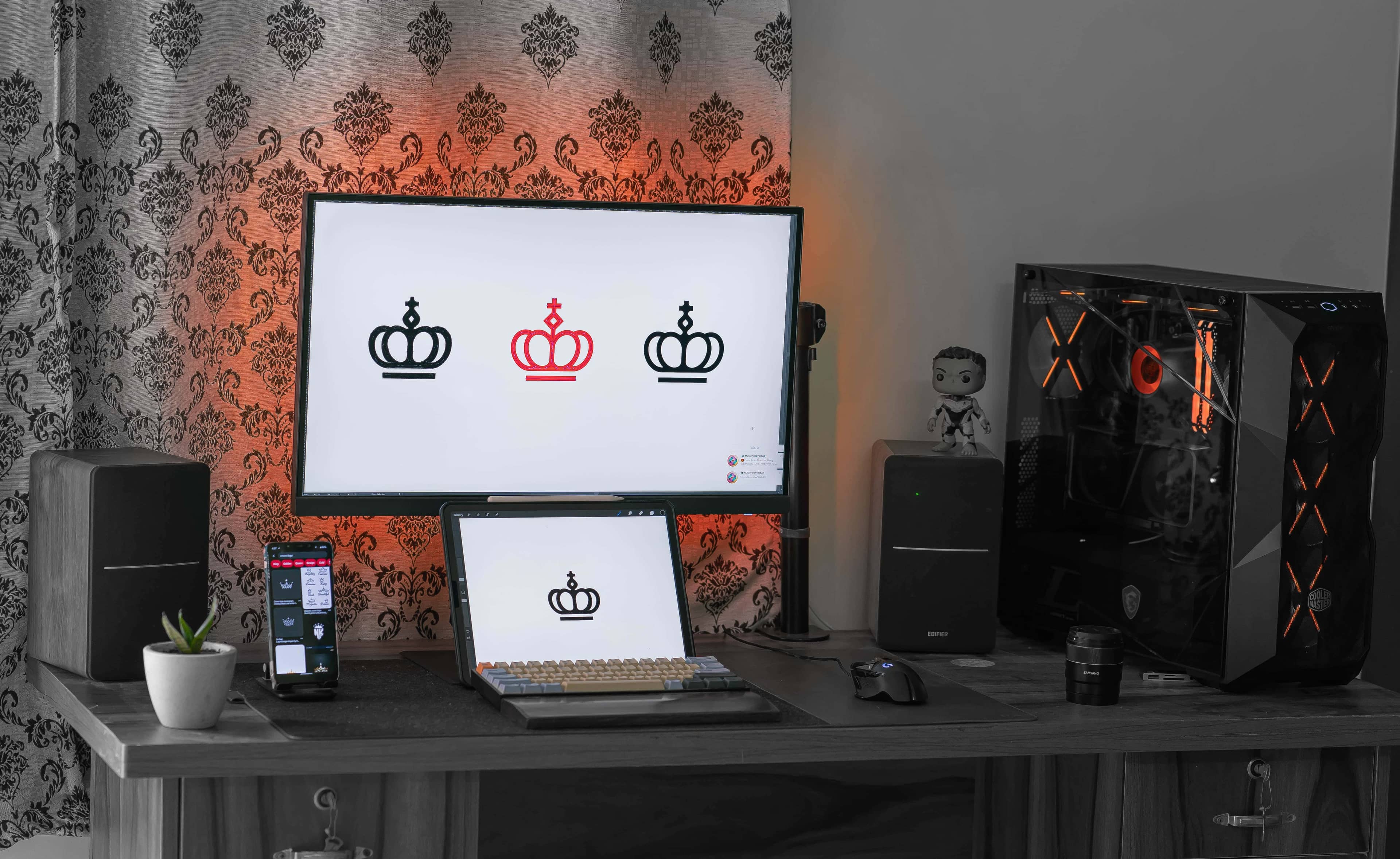
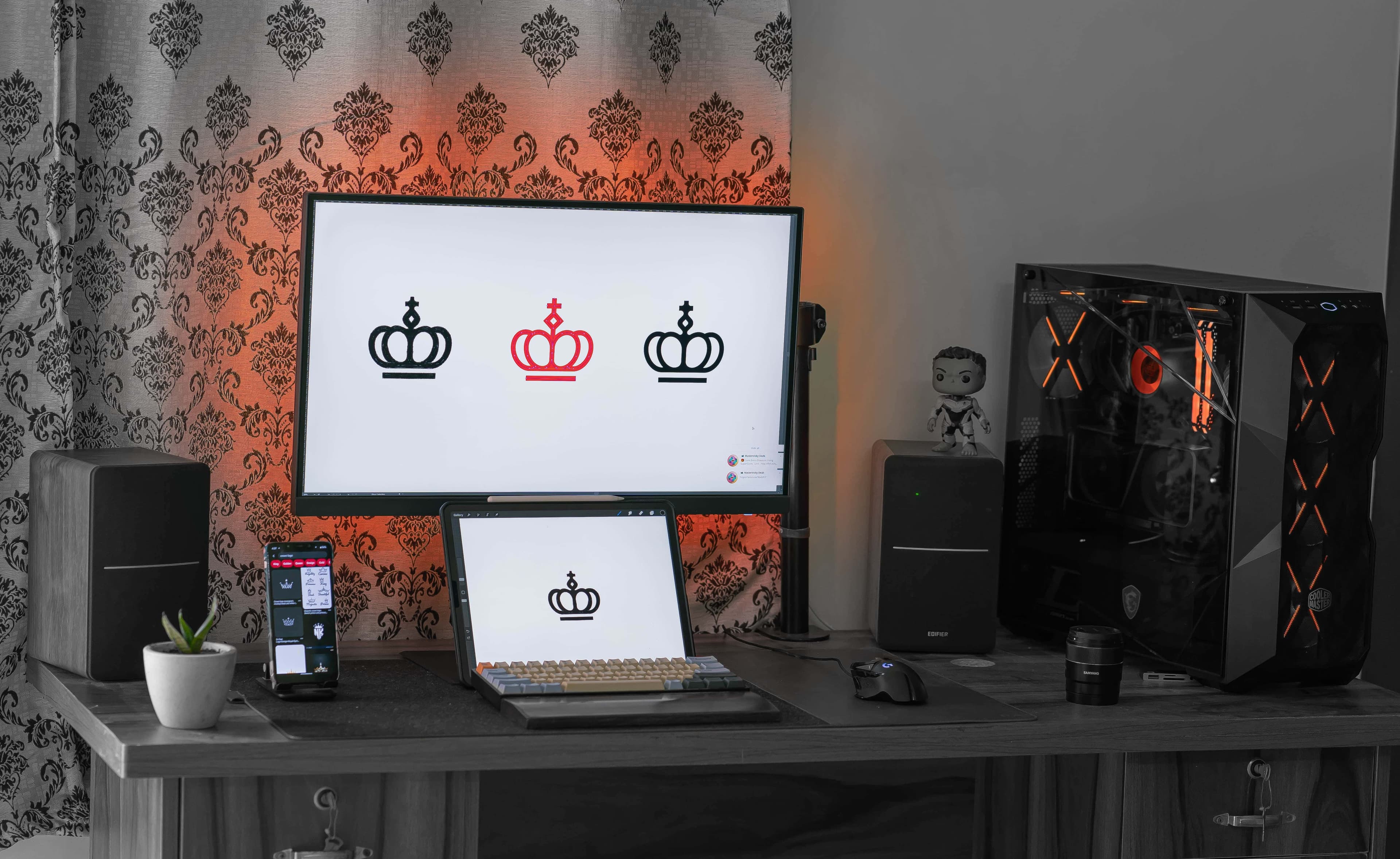
An animator creates moving images that tell stories using artistic skills to bring characters and narratives to life.
An architectural designer creates building concepts and spatial solutions balancing aesthetics with functionality for modern structures.
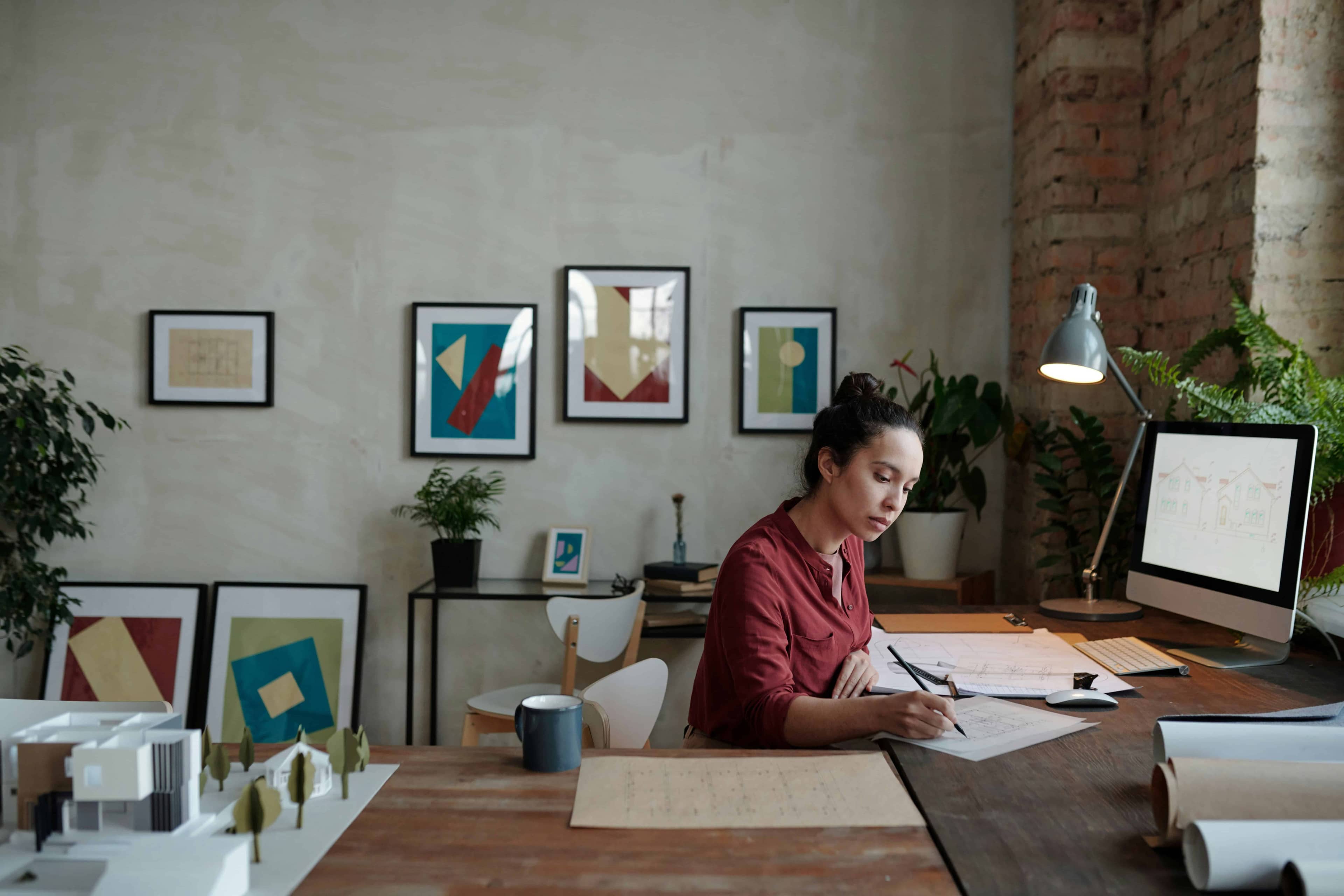
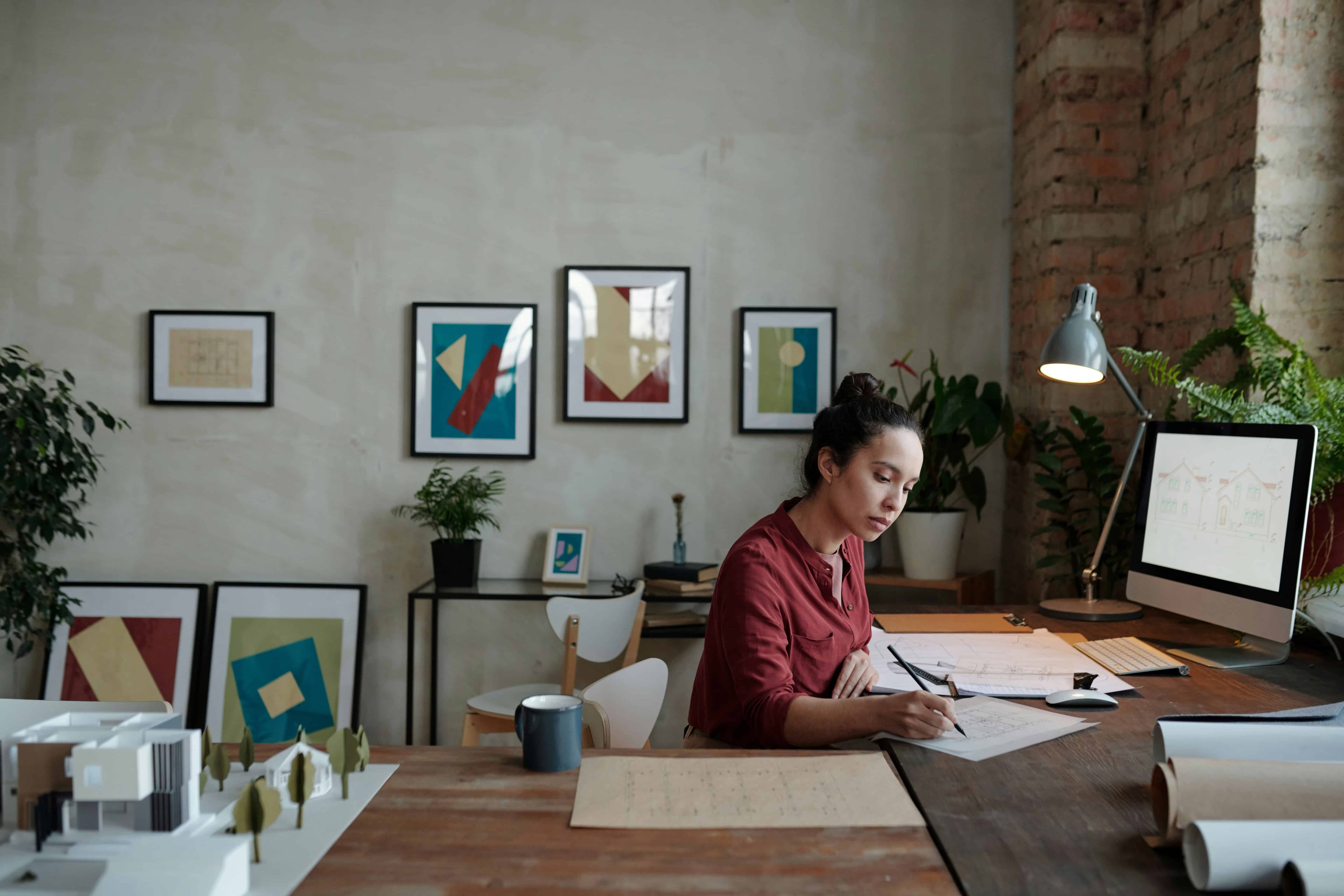
An architectural designer creates building concepts and spatial solutions balancing aesthetics with functionality for modern structures.
